

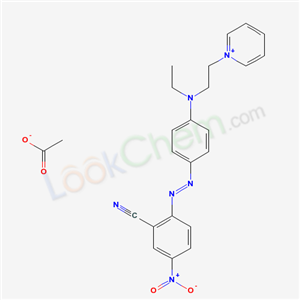
1-[2-[[4-[(2-cyano-4-nitrophenyl)azo]phenyl]ethylamino]ethyl]pyridinium acetate
- CasNo:72829-23-3
- purity:99%
Details
Manufacturer supply top purity 1-[2-[[4-[(2-cyano-4-nitrophenyl)azo]phenyl]ethylamino]ethyl]pyridinium acetate 72829-23-3 with ISO standards
- Molecular Formula: C24H24N6O4
- Molecular Weight: 460.4852
- Boiling Point: °Cat760mmHg
- Flash Point: °C
- PSA: 141.58000
- Density: g/cm3
- LogP: 3.97528
1-[2-[[4-[(2-cyano-4-nitrophenyl)azo]phenyl]ethylamino]ethyl]pyridinium acetate(Cas 72829-23-3) Usage
|
Chemical class |
Triarylmethane dyes |
|
Usage |
a. Histological stain for identifying mucin and amyloid deposits in tissue samples
|
|
Chemical structure |
Contains a pyridinium cation |
|
Properties |
a. Positively charged due to the presence of the pyridinium cation
|
|
Safety precautions |
Toxic and potentially harmful when inhaled, ingested, or absorbed through the skin |
|
Handling |
Handle with caution and follow safety guidelines to minimize exposure risks |
|
General Description |
1-[2-[[4-[(2-cyano-4-nitrophenyl)azo]phenyl]ethylamino]ethyl]pyridinium acetate, also known as Crystal Violet, is a synthetic dye and a member of the triarylmethane class of dyes. It is commonly used as a histological stain for identifying mucin and amyloid deposits in tissue samples and also as a dye for textiles and paper. The chemical structure of Crystal Violet contains a pyridinium cation, which gives it a positive charge and makes it useful as a counterstain in microscopy and as a component in Gram staining techniques. However, it is important to handle Crystal Violet with caution as it is toxic and potentially harmful when inhaled, ingested, or absorbed through the skin. |
InChI:InChI=1/C22H21N6O2.C2H4O2/c1-2-27(15-14-26-12-4-3-5-13-26)20-8-6-19(7-9-20)24-25-22-11-10-21(28(29)30)16-18(22)17-23;1-2(3)4/h3-13,16H,2,14-15H2,1H3;1H3,(H,3,4)/q+1;/p-1/b25-24+;
Related Products
-
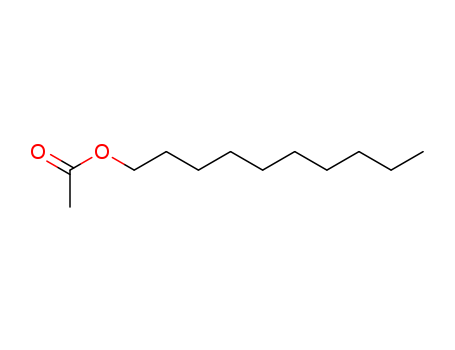 N-DECYL ACETATE
CAS:112-17-4
-
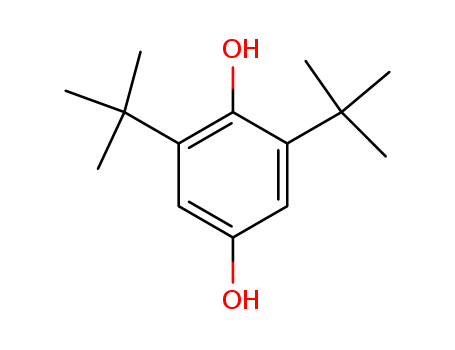 2,6-di-tert-butylhydroquinone
CAS:2444-28-2
-
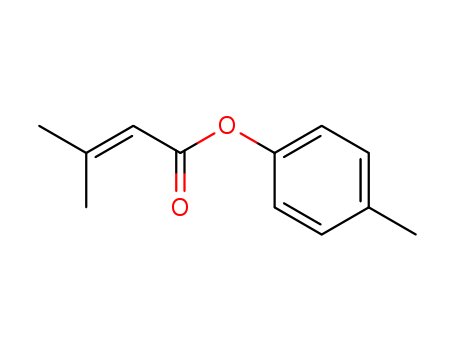 p-tolyl 3-methylcrotonate
CAS:24700-20-7